Soils across continents, including mountain ranges, uplands, plateaus and plains, perform important functions, providing the oxygen, food and water resources without which life is impossible. Soil is also a haven for much of the world’s biodiversity.
Soil “plays a key role in the climate system” as a major storehouse of carbon because, on its surface, forests, for example, serve to maintain the planet’s temperature and help store carbon. In the last decade alone, ecosystems directly on the soil surface have absorbed about 30% of the carbon emissions produced by human activities such as the use of combustible minerals.
But our soil is under increasing threat from forest destruction, growing urbanization, industrial development, agricultural growth, and wasteful farming practices that undermine the soil’s ability to reproduce food, conserve freshwater and forest resources, and have a regulating effect on climate and air quality.
At the same time, global warming is exacerbating soil degradation through droughts, desertification and other extreme weather events, which are increasing in frequency and intensity as the planet’s climate becomes warmer.
Soil and global warming
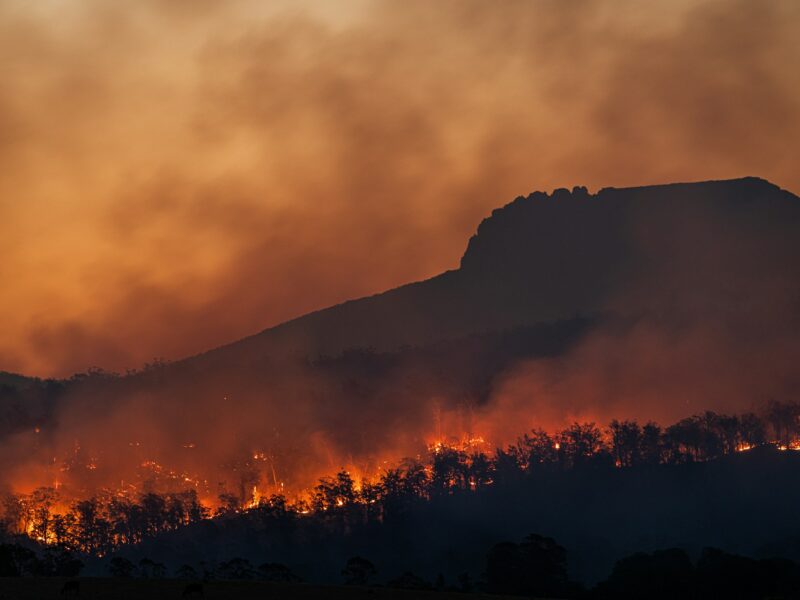
How does soil degradation affect global warming? It reduces the soil’s ability to store carbon. Moreover, when forests are cut down or burned, they release the carbon stored in them. According to a 2018 UN report, deforestation alone accounts for about 10% of all anthropogenic greenhouse gas emissions.
Between 2000 and 2009, annual greenhouse gas emissions from degraded soils amounted to as much as 4.4 billion tons of carbon dioxide (CO2) emissions – by comparison, planet-wide energy-related CO2 emissions reached their highest level in 2021 at 36.3 billion tons.
And as the planet heats up, extreme weather events including longer and more intense droughts, heavier downpours leading to floods and landslides, and more frequent and severe tropical storms are exacerbating soil degradation.
Change the way soils are used
Ibrahim Thiaw, Executive Secretary of the UN Convention to Combat Desertification, said: “Investing in large-scale soil restoration is a powerful cost-effective means of combating desertification, soil erosion and losses in agricultural production. As a non-renewable resource and our most valuable natural asset, we cannot afford to continue to treat soils as an afterthought.”
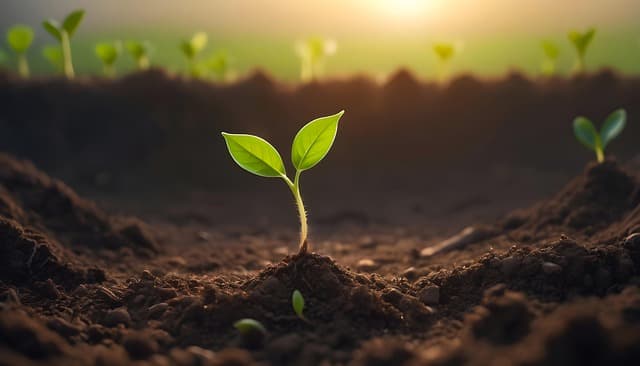
The good news is that there are ways to reduce soil degradation. One solution is restoration, which includes not only agroforestry, pasture management and promoting natural reforestation, but also protecting areas important for biodiversity and providing natural resources such as water.
Sustainable land management practices, such as the use of more efficient irrigation systems and crop rotations, can protect ecosystems and the local populations that depend on them, as well as regulate local climatic conditions, improve water quality and conserve biodiversity.