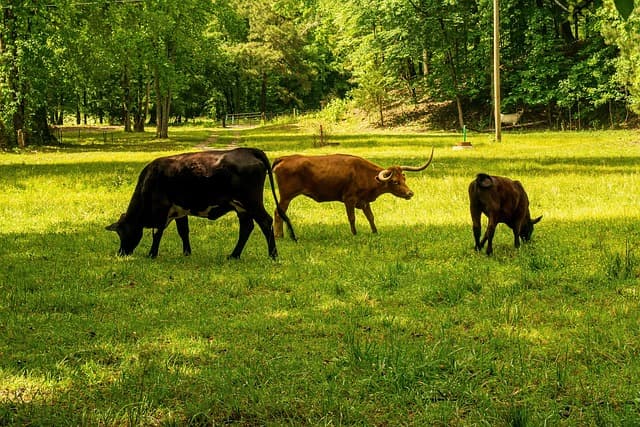
Carbon farming is an approach in agriculture that aims to sequester atmospheric carbon in the soil and in the roots,
Category: Carbon and Soil
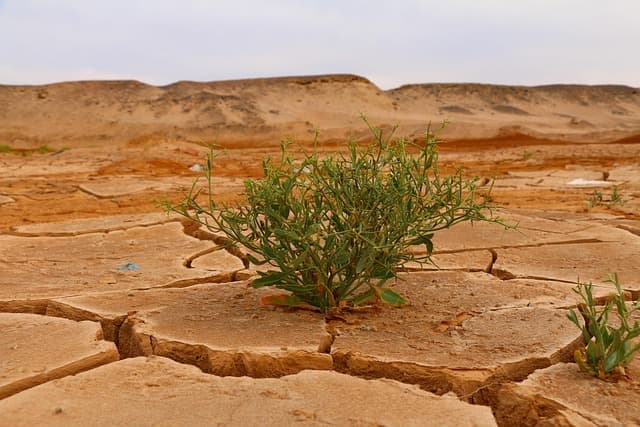
As the new millennium began, organizations such as NASA and the United Nations began to express their concerns about climate
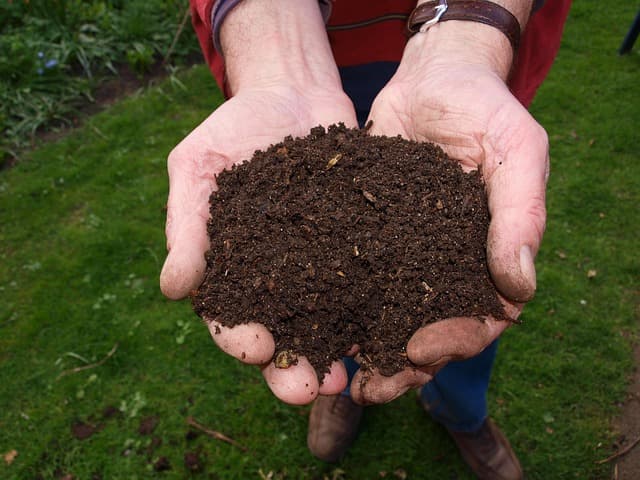
The process of turning a compost heap into compost was not “invented” by us. Nature itself has worked out this
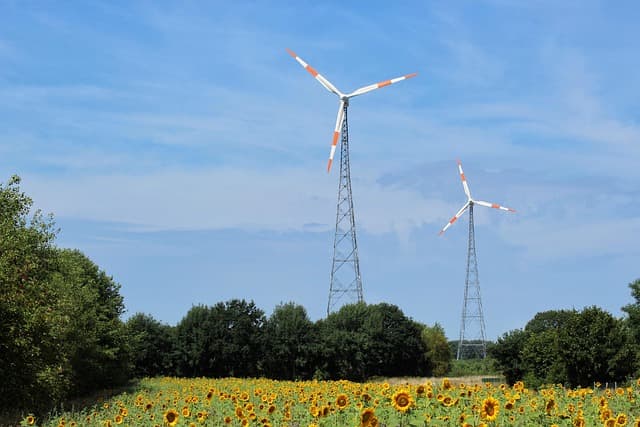
Agriculture has a significant potential for adaptation to global climate change that began in the twentieth and early twenty-first centuries.
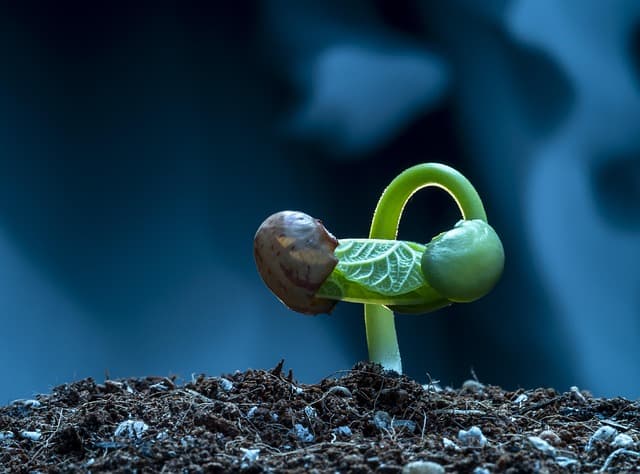
Soil microorganisms – bacteria, fungi and archaea – play a key role in maintaining ecosystem health and regulating climate. They
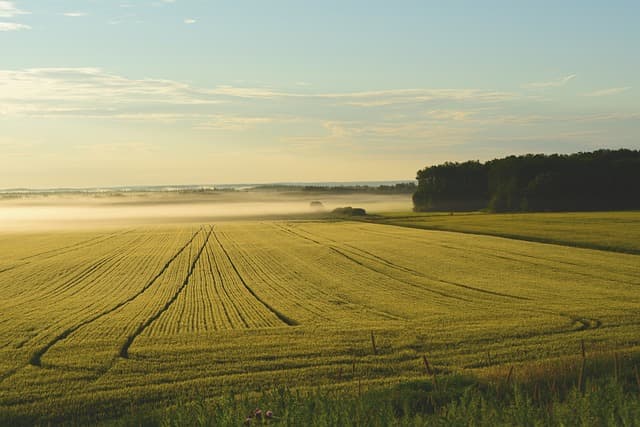
Measuring soil carbon is an important step for assessing soil fertility, sustainability of agroecosystems and participation in carbon farming programs.
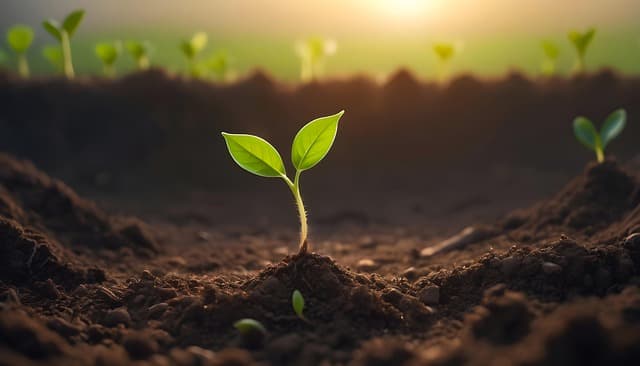
Soils across continents, including mountain ranges, uplands, plateaus and plains, perform important functions, providing the oxygen, food and water resources
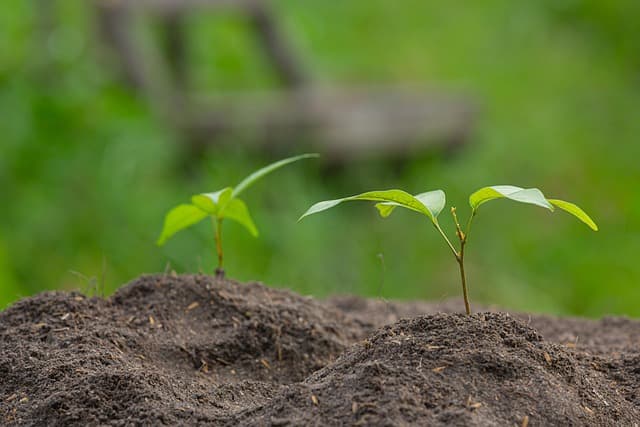
Carbon is a key element of life on Earth and its role in soils is becoming increasingly important in the
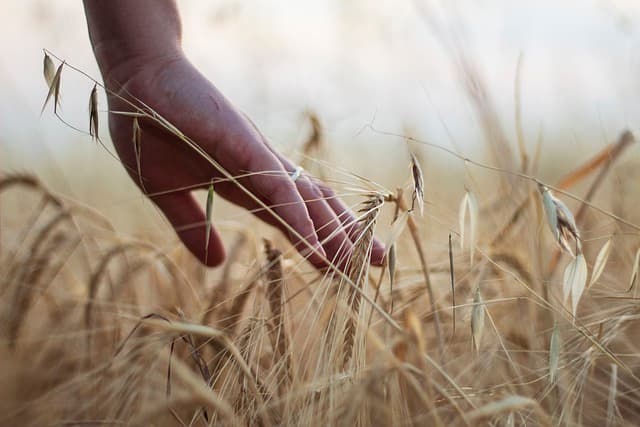
Regenerative agriculture has the potential to sustainably promote the life, biodiversity and health of soil, plants, animals and people. We
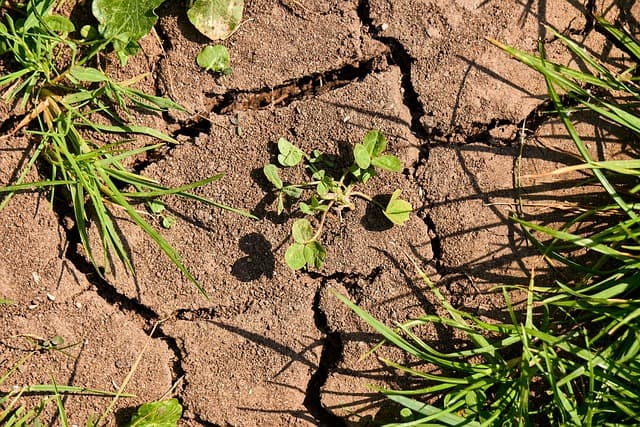
Healthy soils play an important role in mitigating climate change by storing (sequestering) carbon and reducing greenhouse gas emissions to