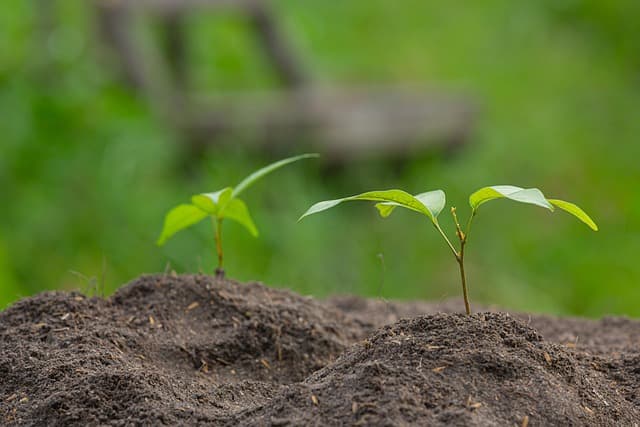
Carbon is a key element of life on Earth and its role in soils is becoming increasingly important in the context of climate change, sustainable agriculture and food security. It enters the soil mainly through plants, which absorb carbon dioxide from the atmosphere during photosynthesis and convert it into organic compounds. These compounds accumulate in plant tissues, especially in the root system. After plants and their parts die off, organic carbon is transferred to the soil together with the remains – leaves, roots, stems. In addition, the application of manure, compost, siderates and other organic fertilizers increases the flow of carbon into the soil. Soil microorganisms are actively involved in this process: bacteria and fungi decompose organic matter, converting it into stable forms of soil organic carbon, such as humus.
Carbon in soil performs several critical functions. First of all, it improves soil structure. Organic matter promotes the formation of soil aggregates, which increase porosity, improve aeration and the soil’s ability to hold water. This is especially important in an increasingly unstable climate where droughts and heavy rains are becoming more frequent. Carbon-rich soil acts like a sponge, retaining moisture and slowly releasing it to plants. In addition, soil carbon supports biodiversity: it is the main source of energy for soil microflora, which, in turn, is the main source of energy for plants.
Agricultural land with a high organic carbon content is more resistant to erosion, degradation and loss of fertility. It is also important to note the climatic role of soil as a carbon reservoir. According to FAO, soils contain more than three times as much carbon as the atmosphere and twice as much as all vegetation on the planet. This makes soil a strategic element in the fight against climate change. Carbon in the soil not only helps mitigate global warming, but also provides the basis for a sustainable and productive agro-ecosystem. Therefore, modern approaches to farming increasingly include measures to increase soil carbon: avoiding intensive plowing, introducing cover crops, agroforestry and restoring degraded land.
Thus, soil carbon is not just an element, but a vital resource. Maintaining and increasing it is key to productive agriculture, sustainable natural resource management and climate security.