Crop Insurance Program
It is designed to protect farmers from losses due to weather, animal diseases, and other risks. Farmers can buy insurance on their crops and be compensated if they are lost.
Of course, ag insurance in the U.S. comes in both public and private programs. But the most popular program, the Federal Crop Insurance Program, is administered by the respective U.S. State Corporation. Money is provided through private insurance agents, but the federal government determines the terms of insurance and finances part of the cost (although there are also fully commercial firms, with their own terms and rates).
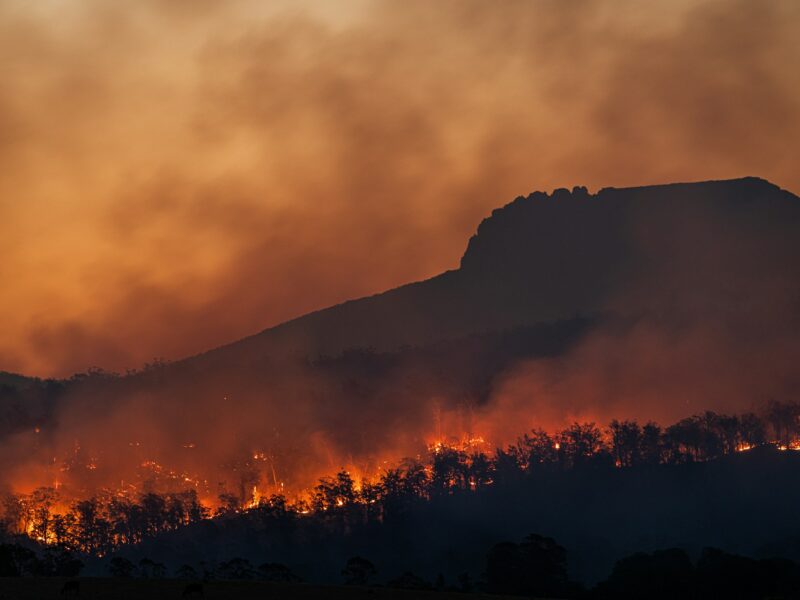
American farmers are fairly well protected against natural disasters. Fires, droughts, tornadoes, epidemics, etc. – if you are affected, state inspectors will calculate the losses and compensate everything. Trust in the state is very high. There is something to learn! At the same time, for falsification of damages you can get on huge fines and even go to jail.
Grant and subsidy programs
These are usually money to help you develop your business, buy land, equipment, and other necessary resources. Programs can change from year to year. Here are some of the largest and most popular that are in effect today:
- Agriculture and Rural Economic Development Grants Program. Provides grants to fund projects that promote agriculture and rural economic development (job creation, infrastructure improvements, etc.).
- Agricultural Land Easements Program. This program provides subsidies for the purchase of land plots, which are then leased to farmers and other interested parties for use in agriculture.
- Soil Health Grants Program. It provides grants to fund projects aimed at improving soil quality, such as using fertilizers and pesticides more efficiently and agricultural research.
- Equipment Grants Program. This program provides subsidies for the purchase of equipment needed for farming, including common farm equipment such as tractors, combines, and other machinery.
In fact, there are a huge number of such programs! For example, livestock farmers can take advantage of the Livestock Insurance Program, the Crop Insurance Program if you grow your own animal feed, the Livestock Feed Assistance Program, the Animal Disease Traceability Program, the Food Safety and Inspection Service, and so on and so forth.
Assistance to farmers in marketing and sales
The ministry provides information on market trends and tendencies, as well as how to promote their product and find new customers. Again – the options for assistance are many. In my opinion, the most important are:
- Agricultural Marketing Service (AMS) provides farmers with market information, helps them create marketing plans and strategies, and provides access to consumer and market databases.
- Farmers Market Promotion Program (FMPP) provides financial support to farmers so they can sell their products at markets. These are grants and other types of payments that help farmers establish and maintain markets and promote their products.
- the USDA provides a wealth of information in a “classroom” style – the USDA website has information on how to create a business plan for a farm, how to develop a marketing strategy, and even how to effectively partner with retail stores and restaurants.
Plus research support
As part of its science program, the USDA also supports research on various aspects of agriculture. The main ones are plant and animal breeding, improving soil quality, increasing productivity and crop quality, disease and pest control, and improving nutritional value and food safety.
To support research, the ministry works with scientists and universities across the country, plus it supports funding for research that takes place in other countries, for example through international collaborations and exchanges. Moreover, these are not always huge projects.
For example, in 2018, the Department allocated $6.6 million for research on improving drought tolerance in wheat varieties. The research was conducted by scientists from Nebraska, South Dakota, and Kansas and was aimed at finding genetic markers that will accelerate the selection of more drought-tolerant wheat varieties. In 2019, $4.8 million was awarded to the University of Pennsylvania to research plant diseases such as bacterial blight of tomatoes. In 2020, $2.5 million was awarded to the University of Illinois to study new methods for improving soil quality in vegetable production.