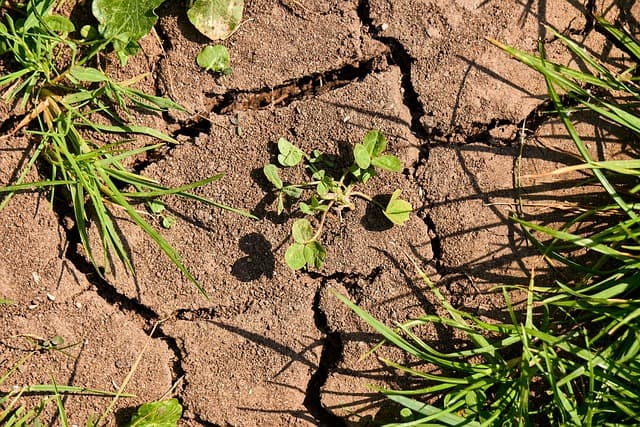
Healthy soils play an important role in mitigating climate change by storing (sequestering) carbon and reducing greenhouse gas emissions to the atmosphere. However, unsustainable soil use or agricultural practices can release soil carbon into the atmosphere as carbon dioxide (CO2), which in turn can be a driver of climate change. Our soils are under increasing pressure, and the gradual conversion of grasslands and forests to cropland and pasture over the past few centuries has resulted in a historic loss of soil carbon stocks worldwide.
However, the restoration of degraded soils and the use of soil conservation practices have great potential to reduce greenhouse gas emissions associated with agricultural activities, promote carbon sequestration and build resilience to climate change.
Soils and the carbon cycle
The carbon cycle is the process of exchanging carbon (in its various forms, such as carbon dioxide) between the atmosphere, the world’s oceans, the terrestrial biosphere and geologic sediments. Most of the carbon dioxide in the atmosphere comes from biological reactions in the soil. Carbon sequestration occurs when carbon is absorbed from the atmosphere and stored in the soil.
The threat of climate change: what can be done?
Climate change poses a serious threat to global food security, not least through its impact on soils, especially in the most vulnerable countries that are food insecure and less resilient to weather events. Changes in temperature and rainfall distribution patterns can have a huge impact on soil organic matter and processes, and this can greatly increase the risk of crop failure and livestock losses.
What is climate-smart agriculture?
Climate-smart agriculture (CSA) is an integrated approach promoted by FAO to create the technical, policy and investment conditions that help member countries achieve food security in response to climate change.
COSH methods enable sustained improvements in productivity and resilience to climate change (adaptation) while reducing and eliminating greenhouse gas emissions where possible (mitigation).
Two pilot projects in Tanzania and Kenya under the auspices of FAO’s Mitigation of Climate Change in Agriculture (MICA) programme selected a number of practices based on expert assessments and joint meetings with farmers and provided support to farmers. Some 9,000 farmers from both countries, 40 per cent of whom were women, were trained in climate-smart agriculture, resulting in the use of energy-efficient cookstoves (736) to combat deforestation. In order to conserve soil and water, 79 tree nurseries were organized, 417 thousand tree seedlings were planted and 6 hectares of terraces were developed (on 204 farms). In addition, two biogas plants for renewable energy production from cow dung were supplied.