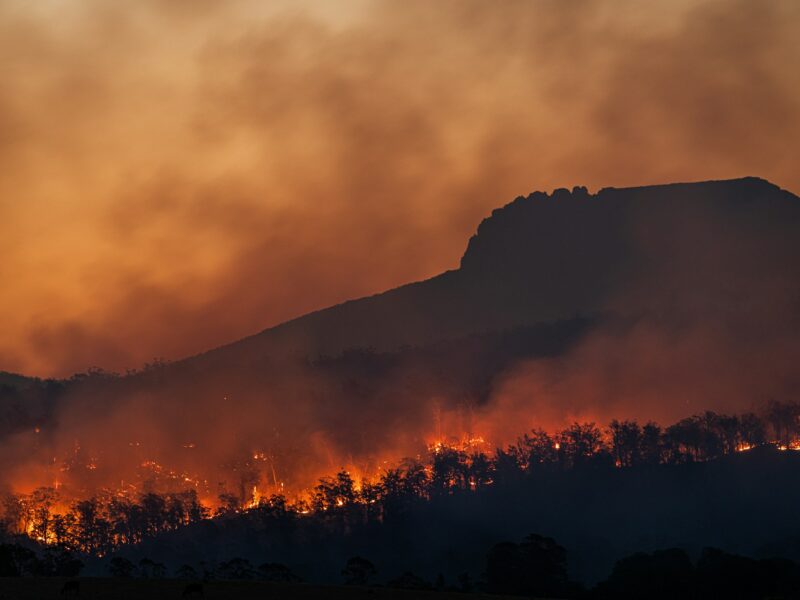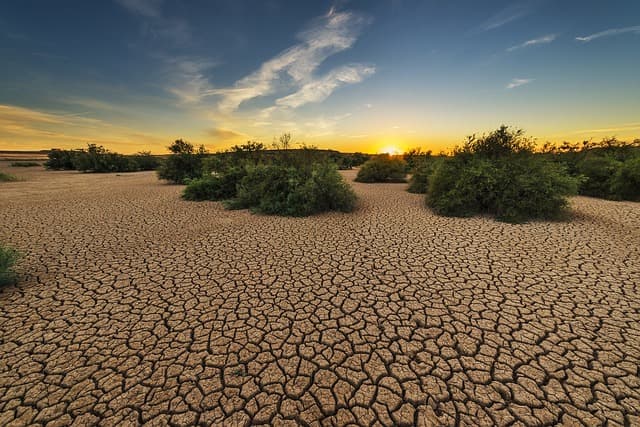
In recent years, climate change has become an integral part of the daily lives of farmers around the world. Agriculture, as one of the most vulnerable sectors, is increasingly facing the effects of global warming, forcing farmers to pay close attention to climate risks and adaptation strategies.
Extreme weather and reduced crop yields
One of the most tangible impacts of climate change on farmers is the increased frequency and intensity of extreme weather events. Droughts, floods, storms and abnormal temperatures are becoming more common, leading to reduced yields and crop loss. For example, in 2022 in India, abnormal heat and rainfall deficits reduced wheat yields, forcing authorities to temporarily ban wheat exports.
Rising costs and the need for adaptation
Climate change is also increasing the financial burden on farmers. The need to invest in sustainable agricultural practices such as drip irrigation systems, drought-resistant plant varieties and precision farming technologies is becoming increasingly urgent. Without these measures, farmers risk facing even greater losses in the future.
Threat to food security
Declining crop yields and instability in agricultural production have a direct impact on food security. According to Wikipedia, climate change is one of the main causes of increasing global hunger and food crises. This is especially true for regions with limited resources and high dependence on agriculture.
The need for collective action
Addressing climate challenges in agriculture requires coordinated efforts at all levels, from individual farmers to international organizations. Adopting sustainable practices, investing in research and development of new technologies, and establishing effective climate change adaptation policies are key steps towards a sustainable future for the agricultural sector.
Thus, increasingly, farmers are talking about climate not because it is a trendy topic, but because climate change is already having a significant impact on their work and well-being. Ignoring these changes could have serious consequences for agriculture and food security in general.